Brutus and Other Heroines: Playing Shakespeare's Roles for Women
by Harriet Walter
In a varied and distinguished career, Harriet Walter has played almost all of Shakespeare’s heroines, notably Ophelia, Helena, Portia, Viola, Imogen, Lady Macbeth, Beatrice and Cleopatra, mostly for the Royal Shakespeare Company. But where, she asks, does an actress go after playing Cleopatra’s magnificent death? Why didn’t Shakespeare write more – and more powerful – roles for mature women?
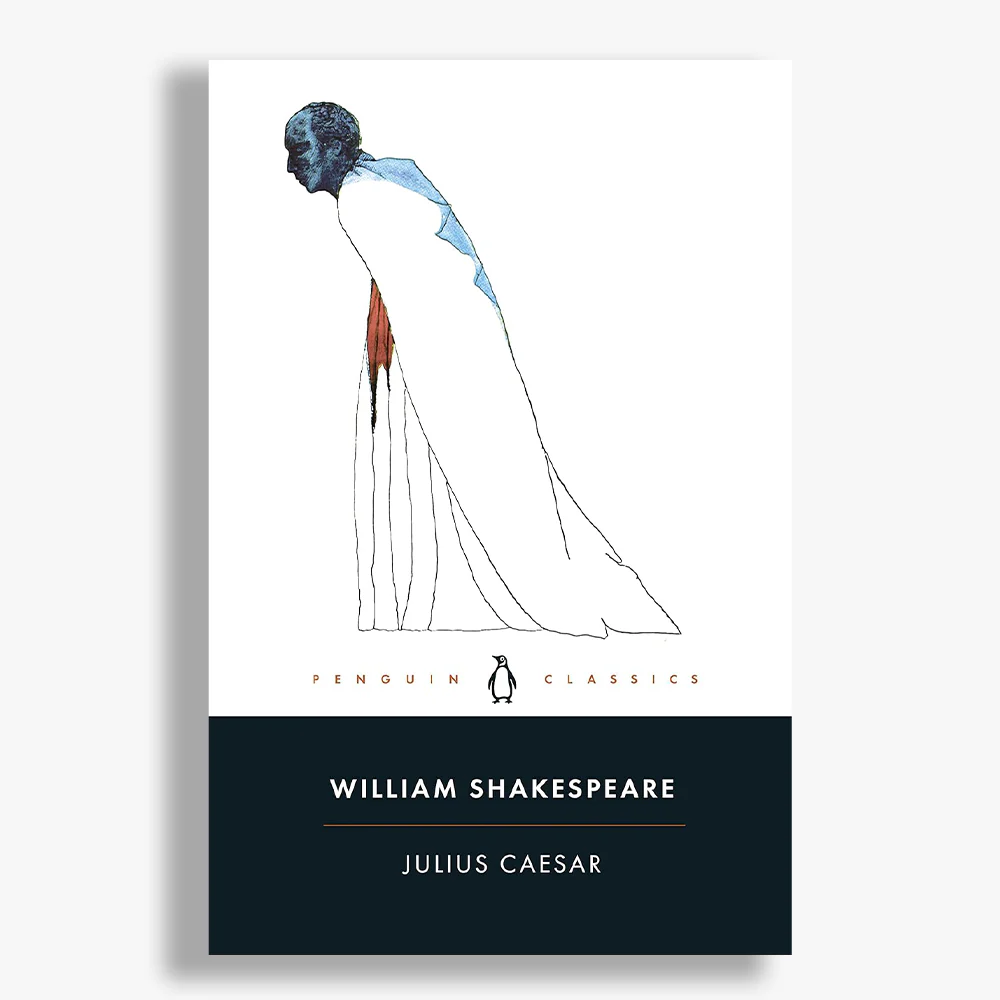
For Walter, the solution was to ignore the dictates of centuries of tradition, and to begin playing the mature male characters. Her Brutus in an all–female Julius Caesar at the Donmar Warehouse was widely acclaimed, and was soon followed by Henry IV. What, she asks, can an actress bring to these roles – and is there any fundamental difference in the way they must be played?
In Brutus and Other Heroines, Walter discusses each of these roles – both male and female – from the inside, explaining the particular choices she made in preparing and performing each character. Her extraordinarily perceptive and intimate accounts illuminate each play as a whole, offering a treasure trove of valuable insights for theatregoers, scholars and anyone interested in how the plays work on stage. Aspiring actors, too, will discover the many possibilities open to them in playing these magnificent roles.
The book is an exploration of the Shakespearean canon through the eyes of a self-identified ‘feminist actor’ – but, above all, a remarkable account of an acting career unconstrained by tradition or expectations. It concludes with an affectionate rebuke to her beloved Will: ‘I cannot imagine a world without you. I just wish you had put more women at the centre of your world/stage… I would love you to come back and do some rewrites.’
Product Information
Product Information
Shipping & Returns
Shipping & Returns
Description
by Harriet Walter
In a varied and distinguished career, Harriet Walter has played almost all of Shakespeare’s heroines, notably Ophelia, Helena, Portia, Viola, Imogen, Lady Macbeth, Beatrice and Cleopatra, mostly for the Royal Shakespeare Company. But where, she asks, does an actress go after playing Cleopatra’s magnificent death? Why didn’t Shakespeare write more – and more powerful – roles for mature women?
For Walter, the solution was to ignore the dictates of centuries of tradition, and to begin playing the mature male characters. Her Brutus in an all–female Julius Caesar at the Donmar Warehouse was widely acclaimed, and was soon followed by Henry IV. What, she asks, can an actress bring to these roles – and is there any fundamental difference in the way they must be played?
In Brutus and Other Heroines, Walter discusses each of these roles – both male and female – from the inside, explaining the particular choices she made in preparing and performing each character. Her extraordinarily perceptive and intimate accounts illuminate each play as a whole, offering a treasure trove of valuable insights for theatregoers, scholars and anyone interested in how the plays work on stage. Aspiring actors, too, will discover the many possibilities open to them in playing these magnificent roles.
The book is an exploration of the Shakespearean canon through the eyes of a self-identified ‘feminist actor’ – but, above all, a remarkable account of an acting career unconstrained by tradition or expectations. It concludes with an affectionate rebuke to her beloved Will: ‘I cannot imagine a world without you. I just wish you had put more women at the centre of your world/stage… I would love you to come back and do some rewrites.’